The Role of Urban Beekeeping in Bee Conservation
3 min readUrban Apiaries: More Than a Hobby
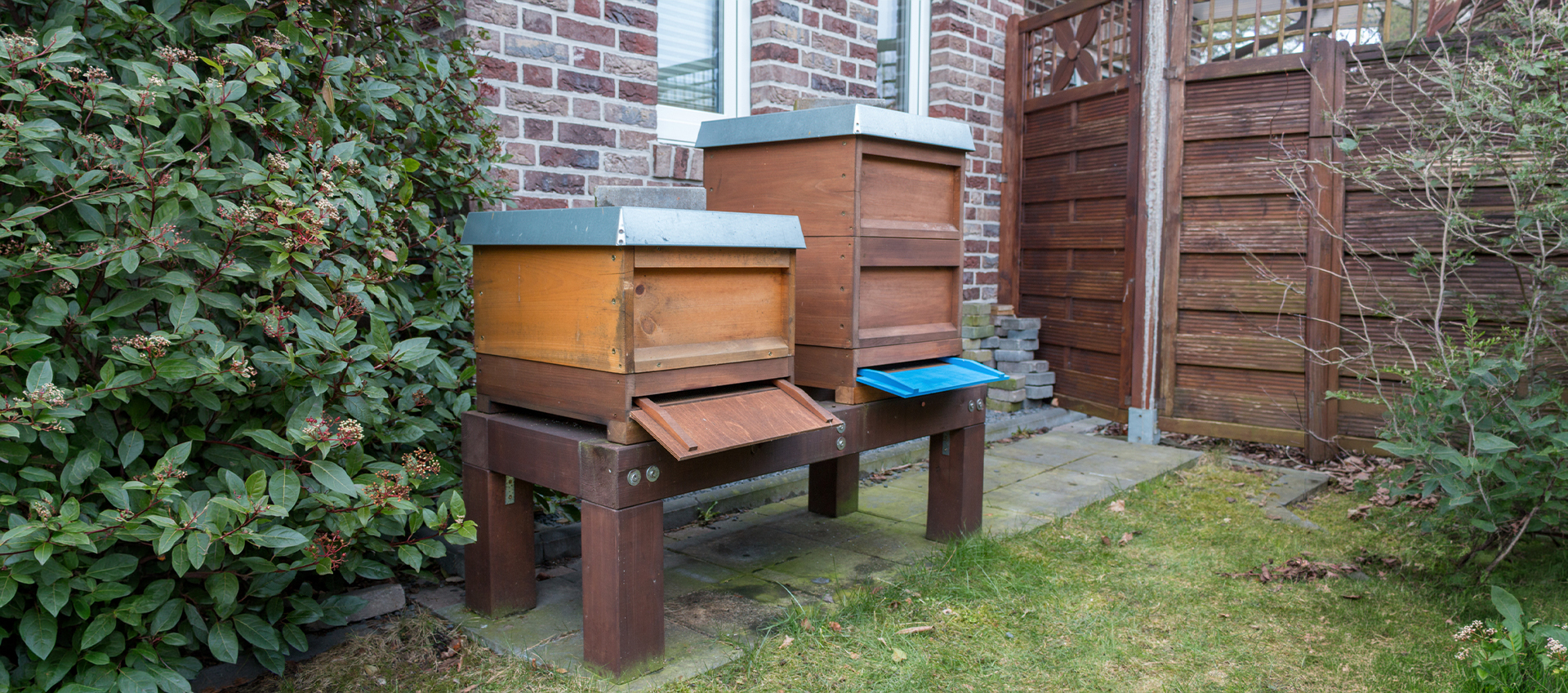
Urban beekeeping has grown significantly across Australia over the past decade. Rooftops, suburban backyards, community gardens, and even commercial buildings are now home to thriving honey bee colonies. While much of the public discussion focuses on the novelty of keeping bees in cities, serious and commercial beekeepers recognise that urban beekeeping can play an important role in supporting pollinator awareness, education, and conservation efforts.
As Australia’s pollinators face increasing pressures from habitat loss, climate change, pesticide exposure, and emerging biosecurity threats, urban beekeeping has become an important part of the broader conversation about protecting bees and maintaining healthy ecosystems. Although urban beekeeping alone will not solve the challenges facing pollinators, it can contribute positively when practised responsibly and sustainably.
Supporting Pollinator Awareness
One of the greatest benefits of urban beekeeping is its ability to connect people with the importance of pollinators.
Many city residents have little direct exposure to agriculture or food production. A hive in a suburban garden or on a city rooftop creates opportunities for education and engagement. Beekeepers often find themselves answering questions from neighbours, schools, community groups, and local businesses about bee behaviour, pollination, and environmental stewardship.
This increased awareness can encourage more pollinator-friendly gardening, greater appreciation of biodiversity, and stronger public support for conservation initiatives.
Creating Valuable Foraging Opportunities
Australian cities often provide surprisingly diverse forage for honey bees. Parks, native gardens, flowering street trees, and residential landscapes can offer nectar and pollen sources throughout much of the year.
In some cases, urban environments may provide greater forage diversity than intensive agricultural areas dominated by a single crop. A variety of flowering plants helps support colony nutrition and resilience, particularly during periods when natural forage is limited elsewhere.
However, responsible hive density remains critical. Serious beekeepers understand that placing too many colonies in one area can create competition for resources and potentially place stress on both managed honey bees and native pollinators.
Promoting Sustainable Beekeeping Practices
Urban beekeeping often serves as an entry point into the wider beekeeping community. As a result, experienced beekeepers have an important role to play in promoting best-practice hive management.
Good husbandry includes regular hive inspections, disease monitoring, swarm prevention, responsible honey harvesting, and compliance with state registration requirements. By maintaining healthy colonies and following biosecurity protocols, urban beekeepers help reduce risks to the broader beekeeping industry.
The arrival of Varroa mite in Australia has reinforced the importance of education and vigilance among all beekeepers, regardless of hive location.
Encouraging Habitat Improvement
Many urban beekeepers become active advocates for pollinator-friendly environments. Planting flowering natives, reducing pesticide use, and supporting local conservation projects can have benefits that extend well beyond individual hives.
While honey bees are only one part of Australia’s diverse pollinator community, efforts to improve urban habitat often support native bees, butterflies, birds, and other beneficial insects as well.
This broader environmental impact demonstrates how beekeeping can become a catalyst for positive ecological change.
Balancing Conservation and Responsibility
Urban beekeeping is not without challenges. Beekeepers must consider neighbour relations, local regulations, swarm management, and the potential impact of hive density on native pollinator populations.
Successful urban beekeeping requires thoughtful planning and ongoing education. It is most effective when viewed as one component of a broader conservation strategy rather than a standalone solution.
Conclusion
Urban beekeeping has emerged as a valuable contributor to pollinator awareness and conservation in Australia. By educating communities, supporting responsible hive management, encouraging habitat improvement, and fostering greater appreciation for pollinators, urban apiaries can play an important role in protecting the future of bees.
For serious and commercial beekeepers, urban beekeeping represents more than an opportunity to keep hives in new locations. It is a chance to lead by example, demonstrate best practices, and help build a stronger culture of pollinator conservation for future generations.
Consider becoming B-TRACE certified
Join B-TRACE today and take your business to the next level
When you join B-TRACE you can enjoy the following benefits
✔ Access to the B-TRACE hive management app
✔ Proof of compliance with current industry and regulatory requirements
✔ Certification to high industry standards by independent audit
✔ Access to premium marketing and pricing opportunities with the B-TRACE certification logo and marketing tools
✔ Gain consumer trust with B-TRACE product provenance and product authenticity assurance
✔ Keep up to date with the latest industry trends and standards
✔ Access to B-TRACE social media outlets for business and beekeeping improvement and opportunities
✔ Locally and internationally recognised
✔ Audit hotline for assistance
