The Dangers of Pesticides: How to Protect Bees from Chemical Threats
3 min readAs someone deeply involved in Australian beekeeping, I know firsthand how much value, time, and investment goes into keeping colonies alive and thriving. Commercial beekeeping is demanding, and with rising environmental pressures, one issue continues to stand out: the increasing threat posed by pesticides. For us, this is not an abstract environmental concern. It is a day-to-day operational challenge that affects hive strength, honey yields, and the long-term sustainability of our businesses.
Understanding the Real Impact on Australian Apiaries
Pesticides have been part of Australian agriculture for decades, but the composition, application methods, and intensity of use have changed. Today, we are contending with a combination of insecticides, fungicides, and herbicides that, individually or collectively, can create sublethal or lethal impacts on bee colonies.
While chemical exposure does not always result in immediate colony collapse, sublethal exposure can be just as damaging. It weakens foraging patterns, reduces brood viability, impairs queen health, and increases susceptibility to diseases. For commercial beekeepers, these knock-on effects reduce colony productivity and raise operational costs across the board.
Australia is fortunate to still be free from some global pests, but we cannot afford complacency. Our biosecurity advantage means our bees should be stronger, not compromised by preventable chemical threats.
Identifying High-Risk Situations
Serious beekeepers quickly learn that pesticide risk varies across time, place, and agricultural activity. Some of the highest-risk periods include:
- Pollination seasons, especially almonds, where multiple chemical sprays may occur at night or early morning.
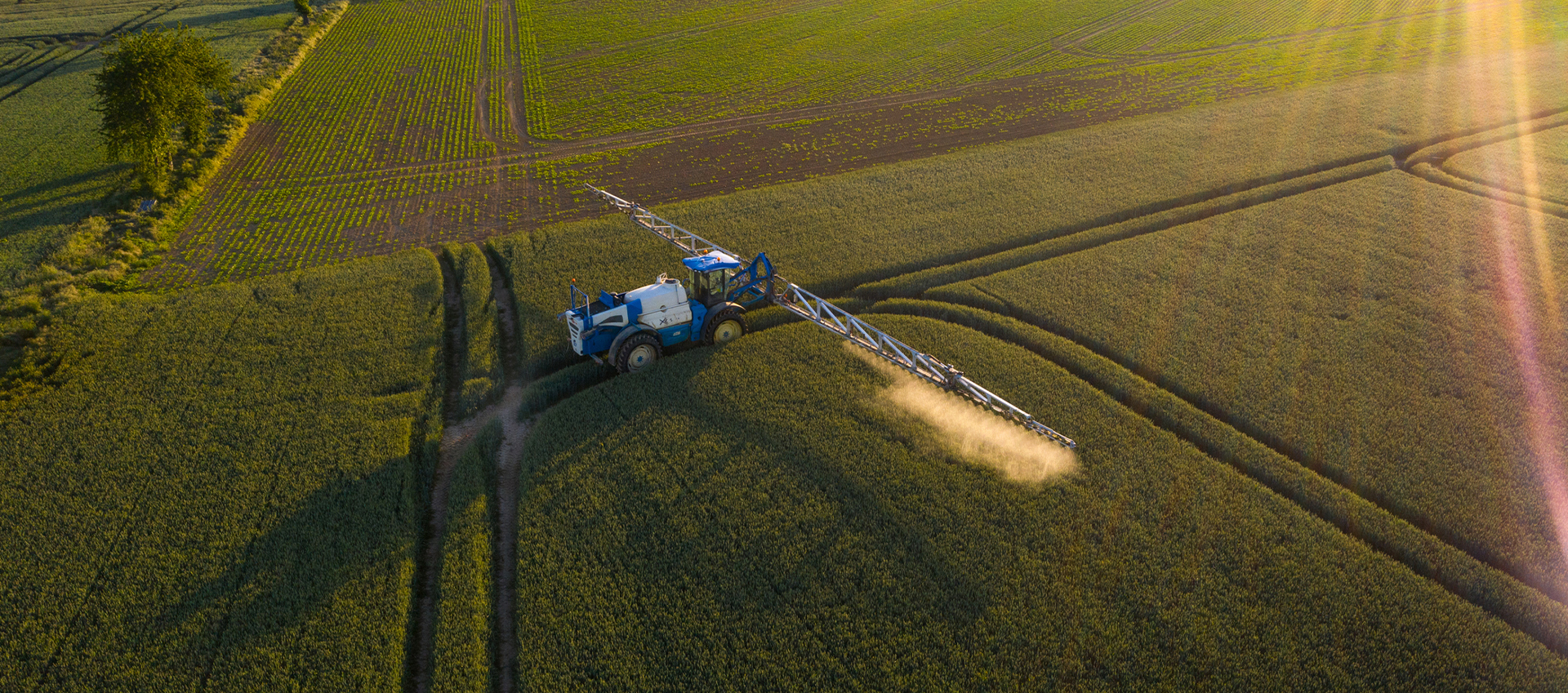
- Broadacre cropping, where aerial spraying can drift far beyond target boundaries.
- Urban environments, where homeowners are often unaware that common household products can harm local bee populations.
- Roadside council spraying can catch migratory hives off guard.
Understanding what is happening in the surrounding agricultural environment is now essential—not optional.
Practical Protection Strategies for Commercial Operators
Protecting bees from pesticides requires proactive, professional-level management:
1. Maintain strong relationships with growers
Open communication is still the most powerful mitigation tool. Many commercial beekeepers negotiate spray windows, request pre-spray notifications, or map out “no spray” zones around apiary sites.
2. Use hive placement strategically
Siting hives upwind from agricultural blocks or shifting them further away during high-risk periods can substantially reduce exposure. For migratory operators, rapid site changes can mean the difference between losing colonies and maintaining production.
3. Monitor colony behaviour and brood patterns
Sublethal pesticide exposure often appears as unusual forager return rates, scattered brood patterns, poor queen laying, or sudden temperament changes. Commercial operators should use these as early warning signs.
4. Apply supplementary feeding when necessary
When floral sources are compromised due to spraying, temporary protein or carbohydrate supplementation helps stabilise colony strength until natural foraging recovers.
5. Keep detailed spray-incident records
If contamination occurs, documentation is crucial for compensation claims, APVMA reporting, and future risk management planning.
Conclusion: Protecting Bees Protects Our Industry
The threat from pesticides is not going away. As commercial and serious beekeepers, we must stay informed, stay vigilant, and keep our bees as safe as possible through strong grower relationships, strategic apiary management, and proactive colony monitoring. By protecting our bees from chemical threats, we protect our own livelihoods and safeguard the future of beekeeping in Australia.
Consider becoming B-TRACE certified
Join B-TRACE today and take your business to the next level
When you join B-TRACE you can enjoy the following benefits
✔ Access to the B-TRACE hive management app
✔ Proof of compliance with current industry and regulatory requirements
✔ Certification to high industry standards by independent audit
✔ Access to premium marketing and pricing opportunities with the B-TRACE certification logo and marketing tools
✔ Gain consumer trust with B-TRACE product provenance and product authenticity assurance
✔ Keep up to date with the latest industry trends and standards
✔ Access to B-TRACE social media outlets for business and beekeeping improvement and opportunities
✔ Locally and internationally recognised
✔ Audit hotline for assistance
